Bridging Old and New: Techniques for Harmonizing Traditional and Modern Styles Mar 27, 2026
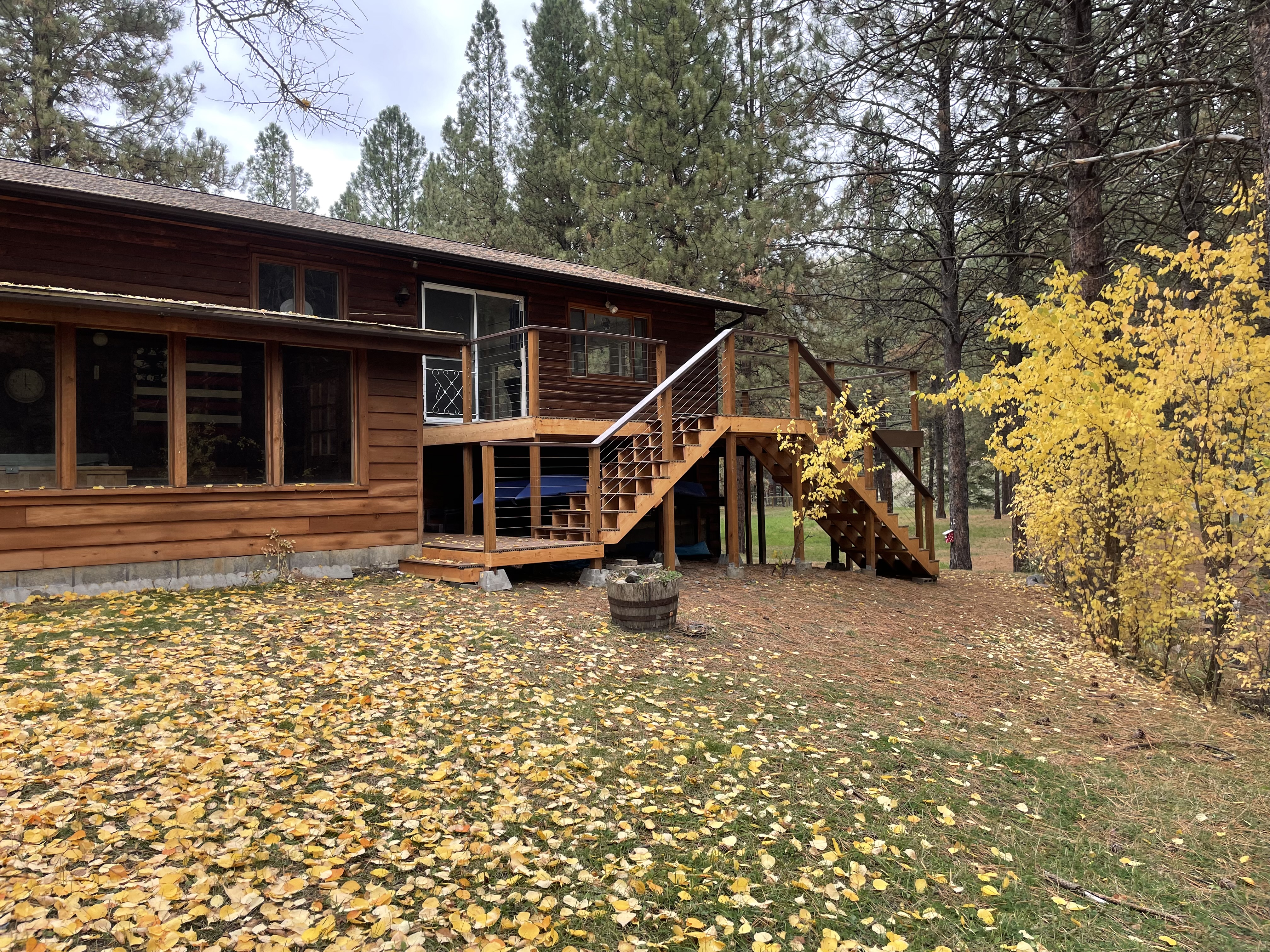
To achieve this perfect blend, start by understanding the key characteristics of traditional and modern styles. Traditional architecture often showcases intricate moldings, sturdy materials like wood and stone, and timeless patterns that exude warmth and coziness. In contrast, modern design emphasizes simplicity, clean lines, and open spaces, often featuring materials like glass, steel, and concrete.
Once you've grasped these foundational elements, consider your home's architecture and how you can enhance its original style while incorporating contemporary updates. For instance, if you have an older home with beautiful original woodwork, consider keeping the wood but updating finishes or colors to align with modern trends. This approach not only maintains the integrity of the original design but also infuses new life into the space.
Incorporating transitional design elements is another effective strategy. Transitional styles act as the bridge between old and new by integrating features like modern furniture with antique accessories or pairing traditional cabinetry with minimalistic hardware. By creating a seamless dialogue between styles, you can achieve a cohesive and sophisticated look.
Color palette is another crucial element to consider. Neutral tones can serve as a backdrop, allowing both traditional and modern elements to stand out without overwhelming the senses. Using shades of grey, beige, or taupe can provide versatility, while strategically placed pops of color can inject personality and vibrancy into the space.
Lighting is often overlooked but can dramatically impact the harmony between traditional and modern styles. Vintage light fixtures can become focal points in a room, blending beautifully with minimalist designs. Alternatively, modern recessed lighting can highlight traditional architectural details. Opt for a mix of ambient, task, and accent lighting to create layers of illumination that unite diverse styles.
Another fundamental consideration is the use of technology. Modern homes are often equipped with the latest smart technology, which can be subtly incorporated into traditional settings without clashing stylistically. Hidden speakers, smart thermostats, and lighting systems can be seamlessly integrated into spaces with historical design elements.
Last but not least, personalization is key. Homes should reflect the taste and lifestyle of their inhabitants. By incorporating family heirlooms or custom pieces alongside modern artwork or furniture, homeowners can create a uniquely personalized space that tells their story. These personal touches make a house feel like a home and offer an authentic representation of its occupants' lives.
In conclusion, blending traditional and modern styles requires a thoughtful and strategic approach. At J&S Development, we specialize in guiding customers through this process, ensuring their homes are both functional and aesthetically pleasing. By maintaining an open dialogue between old and new elements and focusing on personalization, homeowners can create spaces that are not only beautiful but also timeless. As the industry continues to evolve, we stand ready to help harmonize these styles, crafting spaces where past and present coexist peacefully, celebrating both heritage and innovation.
/filters:no_upscale()/filters:format(webp)/media/96cea34b-2d24-419d-9c01-f27fb01689c8.jpeg)
/filters:no_upscale()/filters:format(webp)/media/aedd9f64-7fe0-432e-a455-5a6fdde059cb.jpeg)